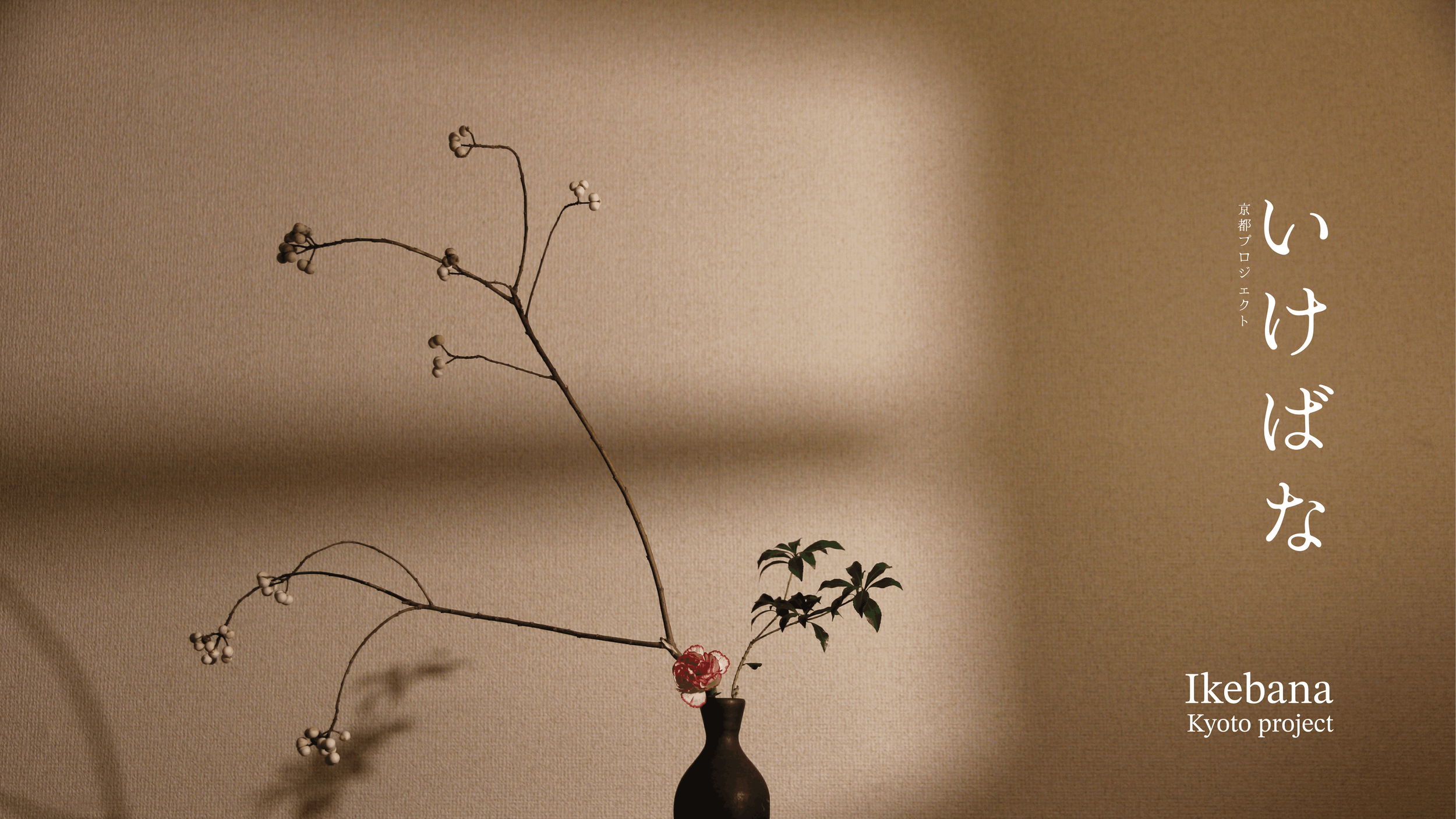
What is Ikebana?
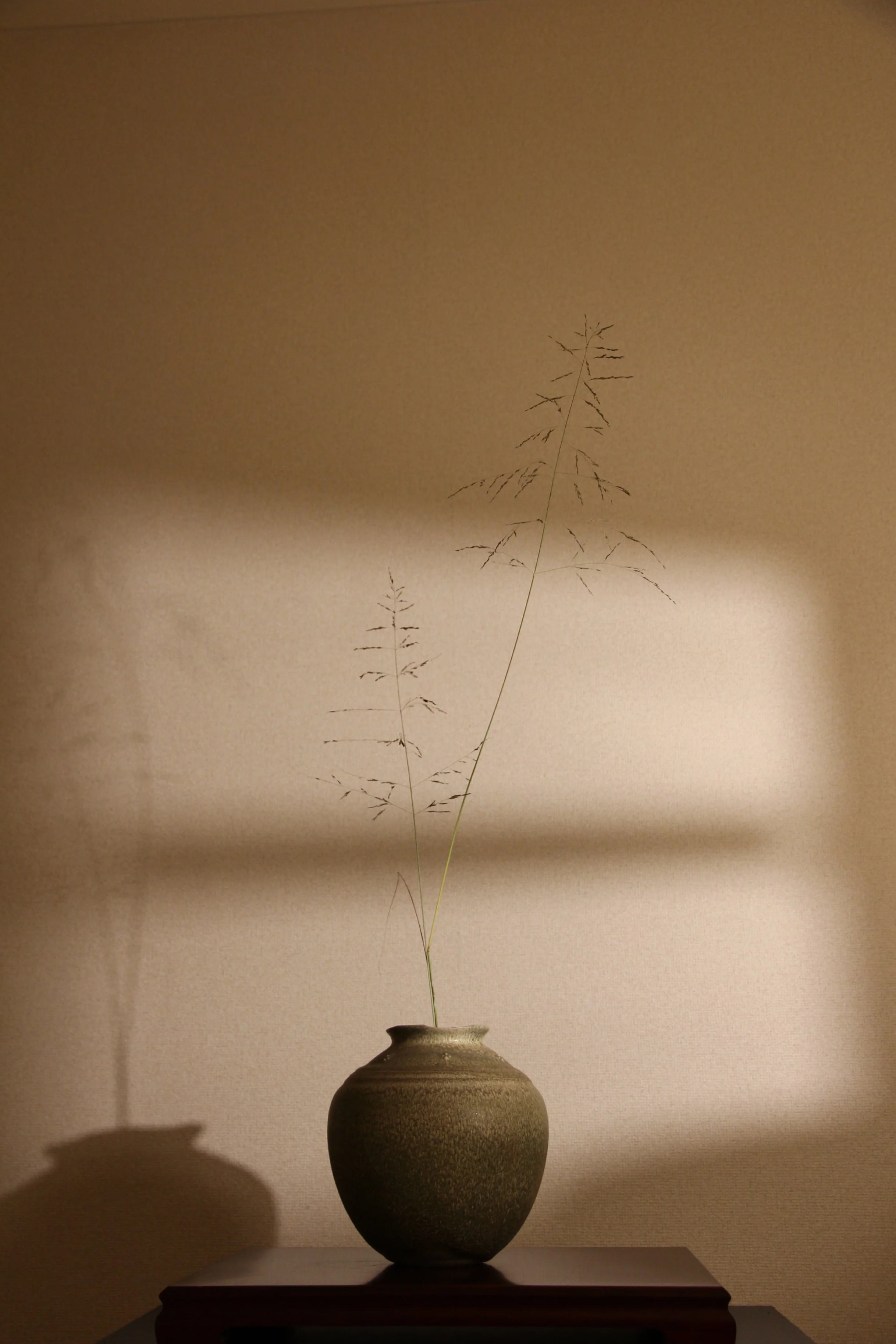
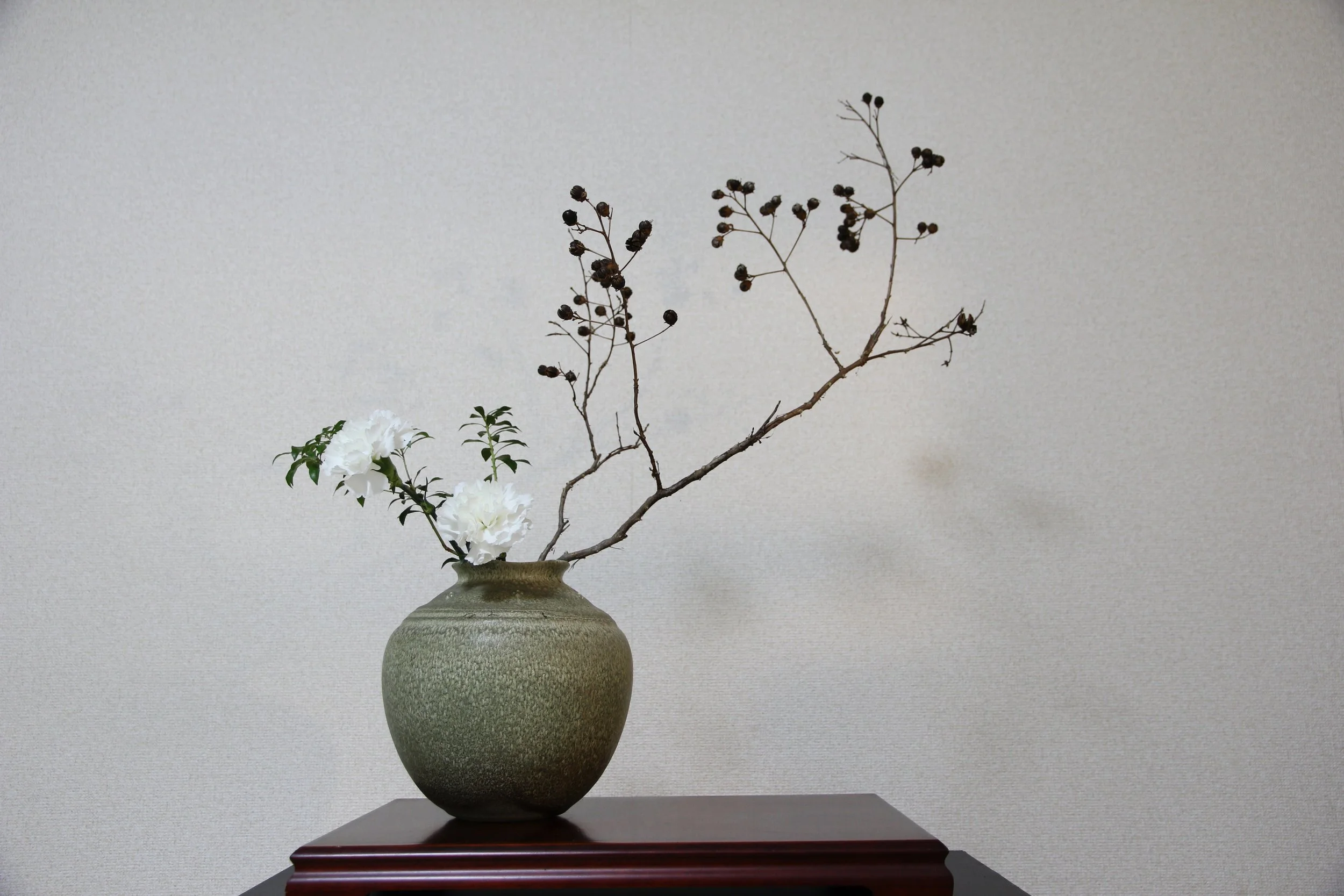
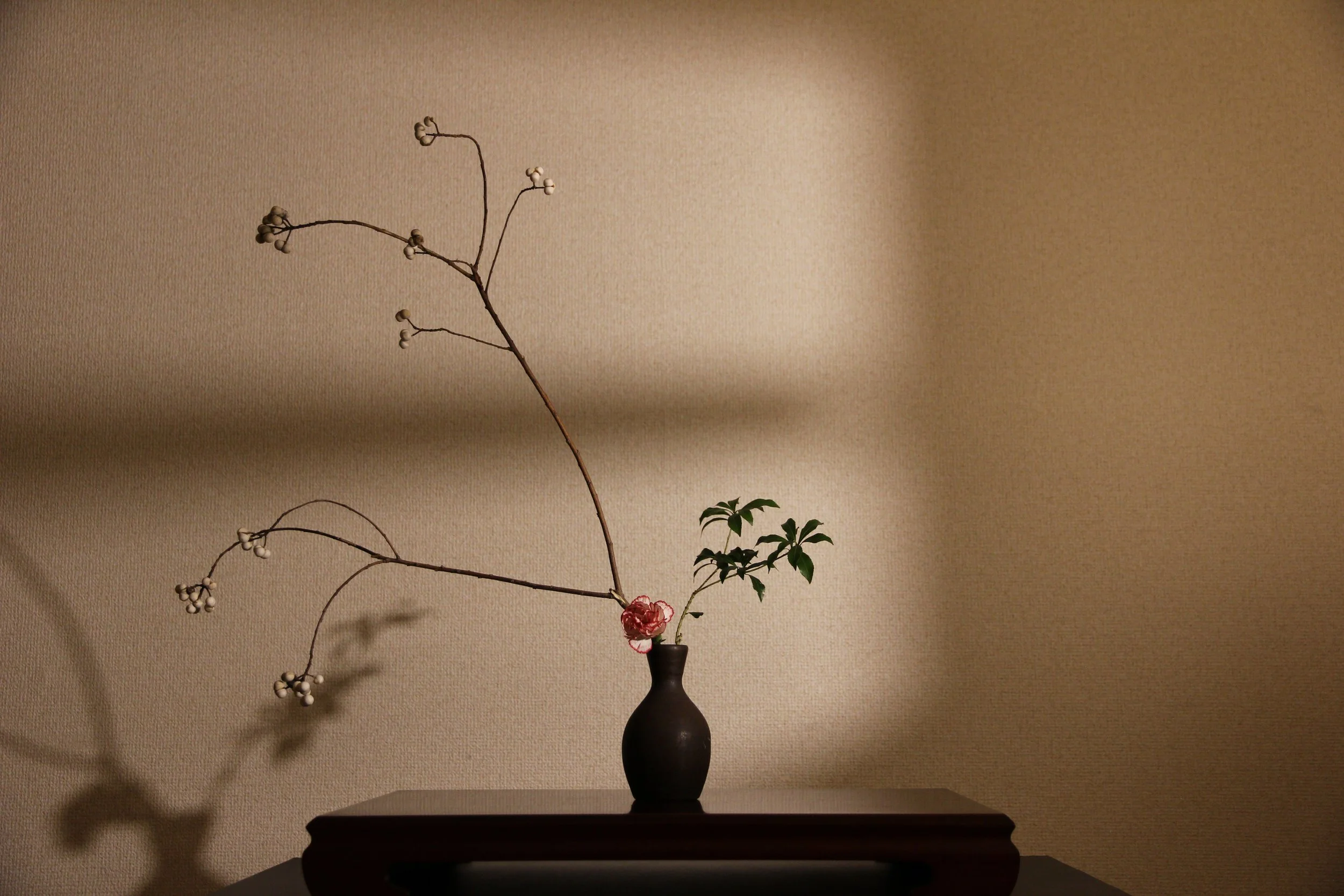
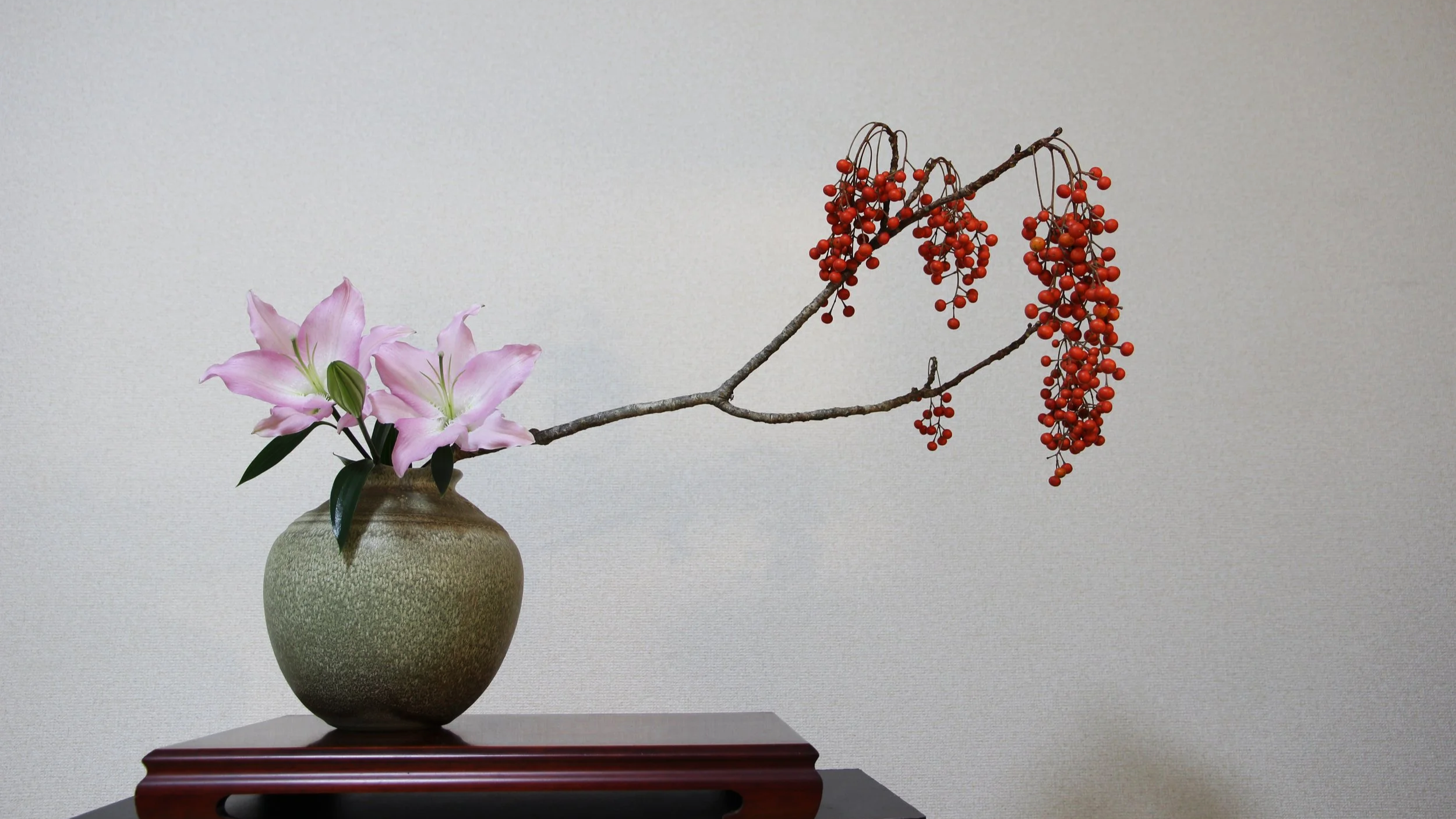
Ikebana (bringing flowers to life) is a Japanese mindful practice that reflects the harmony between nature and human creativity.
Flowers are arranged in such careful ways to evoke emotion and invite reflection, most of the time in a calming way.
One essential element is the principle of “Ma”:
Letting things breathe by considering empty spaces into creating harmony. This goes further than just minimalism. Instead of filling every space with colors, leaves and branches. This practice leaves space for emptiness, symbolizing growth and creativity, allowing the viewer to engage with the arrangement. This sparks a conversation between the visible and invisible.